

Food Grade Plastic Injection Molding
What Even Is Food Grade Plastic Injection Molding? Let’s Keep It Simple!
First off, let’s cut through the fancy terms—food grade plastic injection molding is just a way to make plastic stuff that touches food (or helps with food/drinks) safely. Think: containers that hold your leftovers, tools you cook with, or parts in machines that make soda. The big rule here? You have to use plastic that’s proven safe for food contact. And when you pair that safe plastic with injection molding—a super efficient way to make lots of plastic parts fast—you get products that work well and won’t mess with your food.
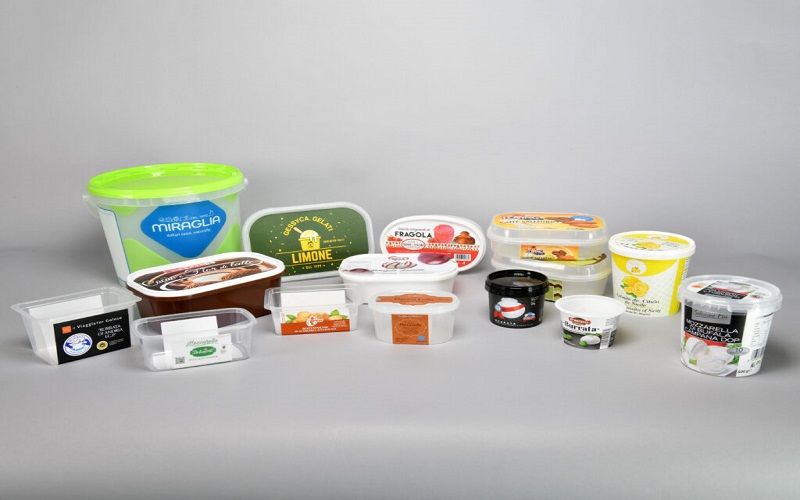
Here’s the quick lowdown on how injection molding works (no tech degree needed!): You take tiny plastic pellets that are safe for food, heat ’em up until they’re melted (like candle wax), shoot that melted plastic into a mold (a custom-shaped tool), wait for it to cool and harden, then pop it out. Done! It’s quick, consistent, and perfect for making tons of the same part—ideal for things like plastic spoons, storage containers, or machine parts that food factories need.
———————————————————————————————————–
All the Everyday Stuff Made This Way
You probably use food grade injection-molded products every day and don’t even realize it. Our team works closely with designers to make sure these products are easy to make, use the right plastic, and fit what people need. Here are some common examples:
- Parts for machines that process food (like the plastic bits in bread makers or vegetable choppers)
- Conveyor belts and filling machines at soda or juice factories
- Filters and dispensers in coffee makers or water coolers
- Tupperware, lunch boxes, and serving plates
- Kitchen tools like spatulas, measuring cups, or peeler handles
———————————————————————————————————–
Why Some Companies Are More Trustworthy (Hint: It’s About Rules)
Not every plastic maker can do food grade work—you need to check boxes to prove safety. At Silkbridge Injection Molding, we don’t just pick any plastic; we team up with big chemical companies and plastic suppliers worldwide to find exactly the right material for each job. Our engineers also help clients pick the best plastic for their product. And we make sure everything meets the rules that matter:
- We use plastic that’s safe to touch food (no weird chemicals leaching into your meals!)
- We follow GMA-SAFE guidelines (a standard for food contact materials)
- We’re FDA compliant (that’s the U.S. agency that checks food safety)
- We have ISO certification (a global stamp of quality)
———————————————————————————————————–
Want to see all the plastics and services we offer? Just head to our Plastic Injection Molding Materials page—we list everything out plain and simple.
How to Pick the Right Plastic (It’s Easier Than You Think)
Choosing the right plastic for food stuff isn’t rocket science, but you do need to ask a few basic questions. Think about how the product will be used:
- Will it get super cold (like in the fridge or freezer) or really hot (near the oven or in the dishwasher)?
- Will it be cleaned with strong chemicals (like dish soap or sanitizers)?
- If it’s outside (like a picnic container), will it sit in the sun a lot?
- Do you want it colored, or mixed with other stuff (like fillers to make it stronger)? Those extras need to be food-safe too!
- Does it need to be hard (like a water bottle), soft (like a silicone-like spatula), smooth, or a little sticky?
———————————————————————————————————–
The good news? There’s a food-safe plastic for almost every need. You just have to match the plastic to how you’ll use the product.
Why Silkbridge Injection Molding Is a Go-To for Food Brands
Our engineers have seen it all, so if you’re working on a food-related product, we can help with everything from design to picking plastic to making the final part.
At the end of the day, food grade plastic injection molding is just about two things: safe plastic and smart manufacturing. Whether you’re a business making kitchen gear or just someone curious about how your food containers are made, the key takeaway is this: if a plastic product touches food, it should be made with food-safe materials and meet strict safety rules. And that’s exactly what we do.