

Introduction
In the changing world of car making, precision automotive plastics hold a key spot in boosting vehicle performance, safety, and efficiency. These parts go much further than visible interior items like dashboards and seats. They affect vital under-the-hood systems that keep things reliable and meet tough industry rules. As cars add more advanced tech, the need for top-quality plastic parts has grown fast. This comes from the want for light materials that cut emissions but stay strong.
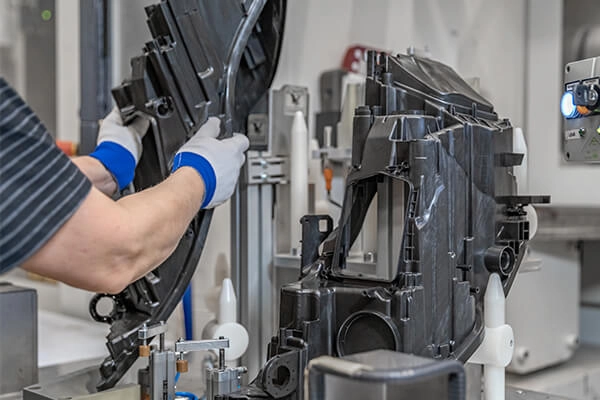
This article looks into the details of automotive plastic components. It shows how skilled molders use material know-how to improve designs. With close to 40 kinds of basic plastics and polymers in modern vehicles, knowing their uses is vital for manufacturers who want great results. About one-third of a typical vehicle’s 30,000 parts are made of plastic. This highlights the material’s common use and flexibility in the field.
The Dominant Polymers in Automotive Applications
Core Polymers Used
The base of most automotive plastic components sits on a small group of polymers that make up around 70% of material use. Polypropylene (PP), polyurethane (PU), polyamide (PA), and polyvinyl chloride (PVC) shine for their even properties. These make them perfect for many uses, from structural supports to bendable seals.
Polypropylene (PP)
Polypropylene works well in interior trims and bumpers because of its low weight and strong fight against chemicals. It helps vehicles get better fuel use without losing impact strength.
Polyurethane (PU)
Polyurethane is used in foams for seating and insulation. It gives soft padding that boosts rider comfort and helps cut noise.
Polyamide (PA)
Polyamide, famous for its great strength and heat resistance, backs engine parts like intake manifolds. Here, steady performance in heat is crucial.
Polyvinyl chloride (PVC)
Polyvinyl chloride, with its bendable nature and fire-blocking traits, fits wire harnesses and protective covers.
Importance of Molders’ Expertise
Picking these polymers needs careful thought about processing methods and part shape. Injection molding, the top choice for precision automotive plastics, requires molds that handle material flow and cooling speeds. This stops flaws like bending or empty spots. Skilled molders check these points early in design. They make sure parts fit exact needs for fit and work.
Safety and Crash Performance Enhancements
Role of Plastics in Crash Safety
Safety stays the main focus of car engineering, and precision plastics add a lot by bettering crash behavior. Polymers face strict tests to limit entry during crashes. They take in energy through planned bending. This matches National Highway Traffic Safety Administration (NHTSA) rules. Parts must handle offset frontal hits and side crashes without hurting rider safety.
Material Innovations
New ideas in plastic mixes have created composites that add glass fibers for extra pull strength. These allow thinner walls that keep stiffness. For example, underbody shields made from reinforced polypropylene push away debris and lower vehicle weight. This indirectly improves control and quick moves.
Support for ADAS Systems
Besides taking in crash energy, plastics hold sensors in smooth casings for advanced driver-assistance systems (ADAS). These cases guard sensitive electronics from shakes and outside harms. They keep steady work. The outcome is a full way to safety. Material choice links straight to lower injury chances and better crash scores.
Fuel Efficiency Through Lightweighting Strategies
Why Lightweighting Matters
The drive for electric power and tighter emission limits has raised the value of lightweighting in car design. Plastics give a strong choice over metals. They mix high stiffness with densities often 50–70% less than steel. This change can bring fuel savings of up to 10% per 10% weight cut. OEMs watch this measure closely.
Lightweight Polymer Innovations
Fresh polymer advances, including those from natural sources, help swap heavy parts like battery trays in electric vehicles (EVs). These trays, shaped from strong polyamides, offer electrical shielding and heat control without extra weight.
Molders fine-tune wall thickness and rib shapes to get the best strength-to-weight balance. They often use finite element analysis (FEA) to model load cases.
Sustainability Integration
Also, light plastics better overall car motion. They improve speed-up and distance for EVs. By adding recycled items, like post-consumer polypropylene, makers meet green goals. This fits global circular economy plans. Molders’ skill in material mixing keeps these blends strong in mechanics. It stops drops in performance.
Durability Against Weather and Wear
Environmental Challenges
Car settings put components through constant tests, from hot desert sun to cold Arctic lows. Precision plastics are built to last these extremes. Their mixes fight UV damage, water breakdown, and scrape wear.
Exterior Applications
For outside parts like mirror housings or grille inserts, UV-stable PVC keeps color true and structure solid over years of sun.
Off-Road and Harsh Conditions
In off-road uses, rough ground needs parts that take hits and rub. Polyurethane elastomers in suspension bushings bend under load. They soften shakes but fight cracks from ozone or road salts.
Molders pick additives like anti-oxidants and fillers to shape these traits. They run fast aging tests to prove long life.
Undercarriage Protection
This toughness reaches undercarriage parts. Plastics guard wiring from wet and rust agents that hurt metal options. By choosing weather-strong grades, designs cut repair needs. They lengthen vehicle life and lower total ownership costs for users.
Maintaining Properties Across Temperature Extremes
Thermal Demands Under the Hood
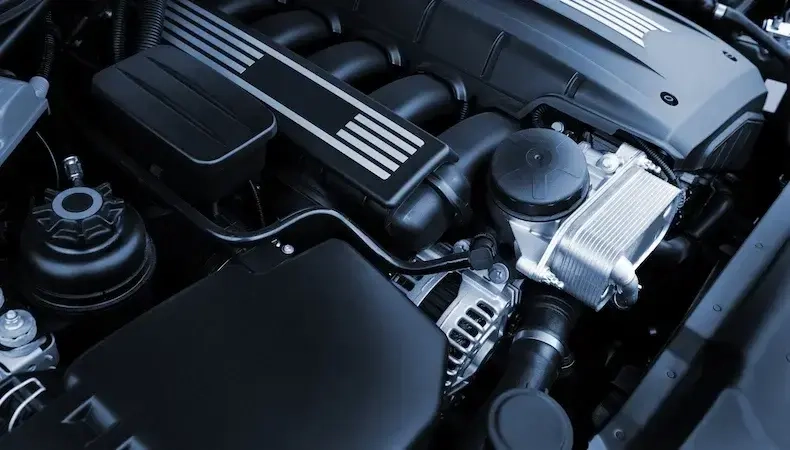
Under-the-hood uses work in heat fight zones, shifting between -40°F and +200°F. Polymers like polyamide keep pull strength and size steady across this range. They stop breaks in fuel lines or coolant holders.
Thermal Engineering for Reliability
Heat deflection temperatures (HDT) over 250°F make sure parts near exhaust systems avoid soft spots or twists.
Molders fix heat growth differences by adding growth rates that match nearby metals. This avoids stress builds. Advanced modeling tools guess action under repeat heating. They guide adding fire-blocking additives for FMVSS 302 rules.
Application in EV Thermal Systems
In EV heat control, high-heat polyurethanes shield battery packs. They spread heat but keep insulation strong. This trust builds faith in electric drives. It speeds uptake as demand for zero-emission cars rises.
Economic Advantages of Plastic Over Metal
Cost-Effective Manufacturing
Cost savings push the move to plastics. Injection molding allows quick cycles—often under 30 seconds per part—against metal stamping’s longer waits. Tooling costs spread fast over big volumes. Built-in coloring skips painting, cutting extra steps by up to 40%.
Assembly and Sustainability Benefits
Assembly speed adds more savings: shaped-in features like snap-fits and threads cut fastener needs. This smooths production lines. For OEMs, it means lower bill-of-materials (BOM) costs and quicker market entry.
Green efforts build on these gains. Plastics allow scrap reuse at rates over 90%. They back zero-waste rules without raising costs.
Comparison with Metal Fabrication
Metal has higher material and cutting costs. These limit growth for complex shapes. Plastics’ shaping ease allows joined designs. They merge many metal pieces into one. This cuts stock and shipping loads. These points make injection molding a key tool for fair pricing in a tight-margin field.
Seamless Integration with Mechanical Systems
Functional Assembly Features
Plastics’ fit with fasteners boosts modularity in vehicle build. Self-tapping screws grip well with shaped bosses. Threaded inserts give firm holds for high-twist links.
Precision and Performance
Tight tolerances, reachable to ±0.001 inches, ensure no-leak seals in fluid systems. These are key for hydraulic brakes or transmissions. Bend in polyurethanes allows shake isolation. It cuts noise, vibration, and harshness (NVH) without metal’s spread issues.
Molders’ design-for-manufacturability (DFM) checks stop joining problems early. They create plug-and-play parts that speed final build.
Support for Modularity and Repairability
As vehicles get more modular for easy fixes, these traits back service ease. They match right-to-repair trends and grow aftermarket life.
FAQ
What are the most common polymers used in automotive plastic components?
The main polymers include polypropylene (PP) for its light weight and chemical fight, polyurethane (PU) for bend in foams, polyamide (PA) for strong engine parts, and polyvinyl chloride (PVC) for protective covers.
How do precision automotive plastics improve fuel efficiency?
By swapping heavier metals with low-weight plastics, vehicles gain big weight drops. This leads to up to 10% better fuel use per 10% weight savings, while keeping structure strong.
What safety standards do automotive plastics need to meet?
Components must follow NHTSA rules, including crash entry limits and FMVSS 302 for fire safety. They ensure energy take-in and rider guard during hits.
Why choose injection molding for automotive parts over metal fabrication?
Injection molding gives faster cycle times, lower per-unit costs for big volumes, built-in features that cut assembly steps, and easy add of recycled items for green goals.
Can automotive plastics withstand extreme temperatures?
Yes, chosen polymers like polyamide keep whole from -40°F to +200°F. They suit under-the-hood uses without loss in strength or size.
Partner with a Trusted Injection Molding Manufacturer and Supplier for Your Automotive Needs
OEMs and suppliers wanting precision automotive plastic components gain from working with a known manufacturer like Silkbridge. This leading factory started in 2014 in Guangdong Province, China. As a full-service supplier focused on plastic injection molding, Silkbridge mixes British design ideas with fast Chinese making. It delivers high-volume, custom parts using advanced polymers such as PP, PA, and PU. With over 100 injection machines making 30 million parts each year, ISO 9001-certified steps, and skill in DFM for automotive uses, Silkbridge ensures rules met, cost cuts, and quick models.
Contact Silkbridge now via WhatsApp at +86 18122838771 or visit contact@silkbridgeltd.com to ask for a quote. Raise your supply chain with dependable, green solutions made for manufacturers and suppliers.