

In the fast-changing world of the plastic injection molding industry, micro-injection molding has come out as a game-changing tool. It gives unmatched accuracy and speed. This new method makes tiny and small-scale parts. It is now a key part in many high-tech areas. These include medical devices, electronics, and automotive fields. As the need for smaller and more detailed parts rises, micro-injection molding will shape the future of making things. Manufacturers and suppliers in this field use advanced micro-injection molding ways. They meet strict needs for tolerances as tight as ±0.01 mm. This lets them build parts that push new ideas across global supply chains.
What is Micro-Injection Molding?
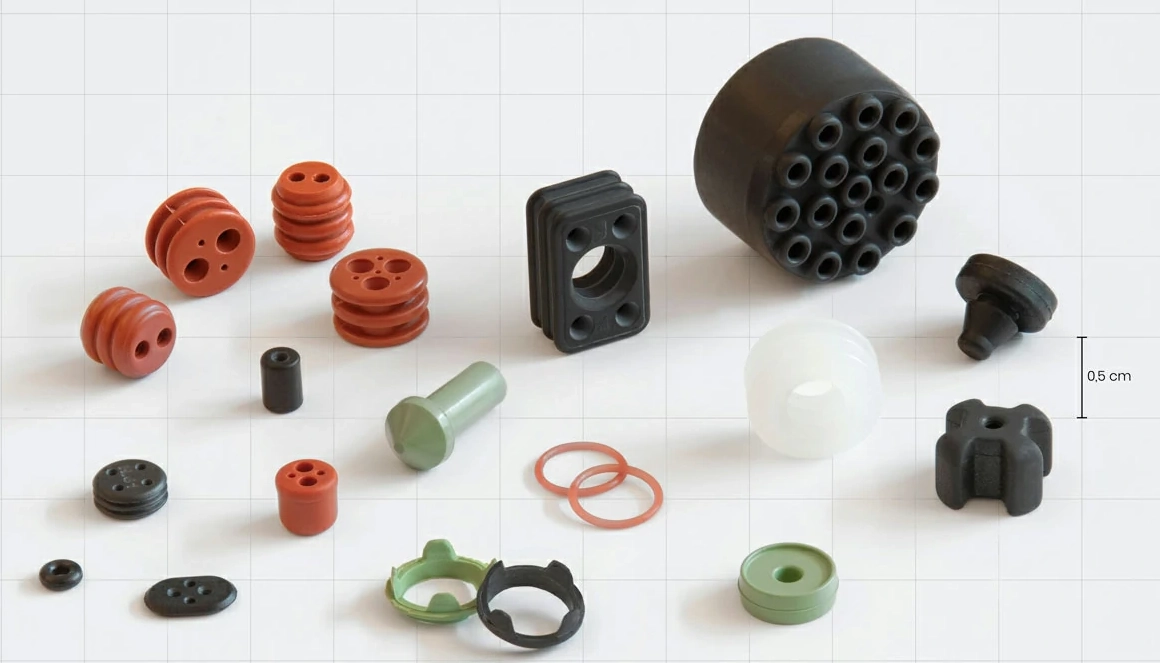
Micro-injection molding is a special type of plastic injection molding. It focuses on making very small parts with fine details. This process uses tiny molds and exact machines. It creates items that often weigh less than a gram. They can have features as small as a few micrometers. The tech is like regular injection molding. But it is on a much smaller level. It needs special tools and methods to keep accuracy and quality.
At its heart, micro-injection molding melts thermoplastic resins. These include ABS, PEEK, or bioresorbable polymers. Then it pushes them into micro-cavities with high pressure and set temperatures. The molds are often made with tolerances down to 0.01 mm. Workers use advanced CNC and EDM machines for this. They allow copying of complex shapes that normal processes cannot do. This way shines in making parts with thin walls, undercuts, and smooth surfaces. These are vital where space is limited and performance matters most.
The process starts with mold design. CAD software checks flow patterns here. It predicts problems like warping or empty spots. Once checked, the micro-mold is built with high-precision tools. Then comes the injection step. It usually takes just seconds per cycle. Cooling and removal finish the cycle. This gives parts ready for joining or more work. Unlike standard molding, micro-injection needs better control over things like shot size, shear rates, and thickness. This stops damage on such small scales.
This accuracy goes to picking materials too. Resins must have low thickness for good flow. Yet they keep strength after cooling. Industries gain from this. It lets them put many functions into one part. This cuts joining steps and total costs. As making things changes, micro-injection molding keeps improving these basics. It adds automation and live checks for even better steadiness.
Advantages of Micro-Injection Molding
Micro-injection molding brings big changes that solve main issues in today’s making. These gains not only boost product quality. They also make work smoother for suppliers and factories that focus on high-precision plastics.
1. Precision and Accuracy
Micro-injection molding offers great exactness. It lets makers build parts with very close tolerances and detailed shapes. This accuracy is key for medical devices. Even a tiny error can hurt how they work. Modern machines ensure the same results again and again. Errors drop to micrometers. This helps meet rules like ISO 13485 for medical-grade items.
2. Material Efficiency
The process uses materials wisely. It cuts waste and lowers costs. This matters a lot for costly materials in micro-molding. Think of bioresorbable polymers in medical uses or strong plastics in electronics. By controlling shot amounts and cutting extra bits, factories get up to 30% less scrap than old ways. This supports green practices and saves money in big runs.
3. Scalability
Micro-injection molding fits well for early models and large output. Once a mold is done, it can make thousands or millions of the same parts. This makes it perfect for fields that need many small items. Fast cycles—often under 10 seconds—let suppliers grow output without losing quality. They can deliver on time for global OEMs.
4. Complexity
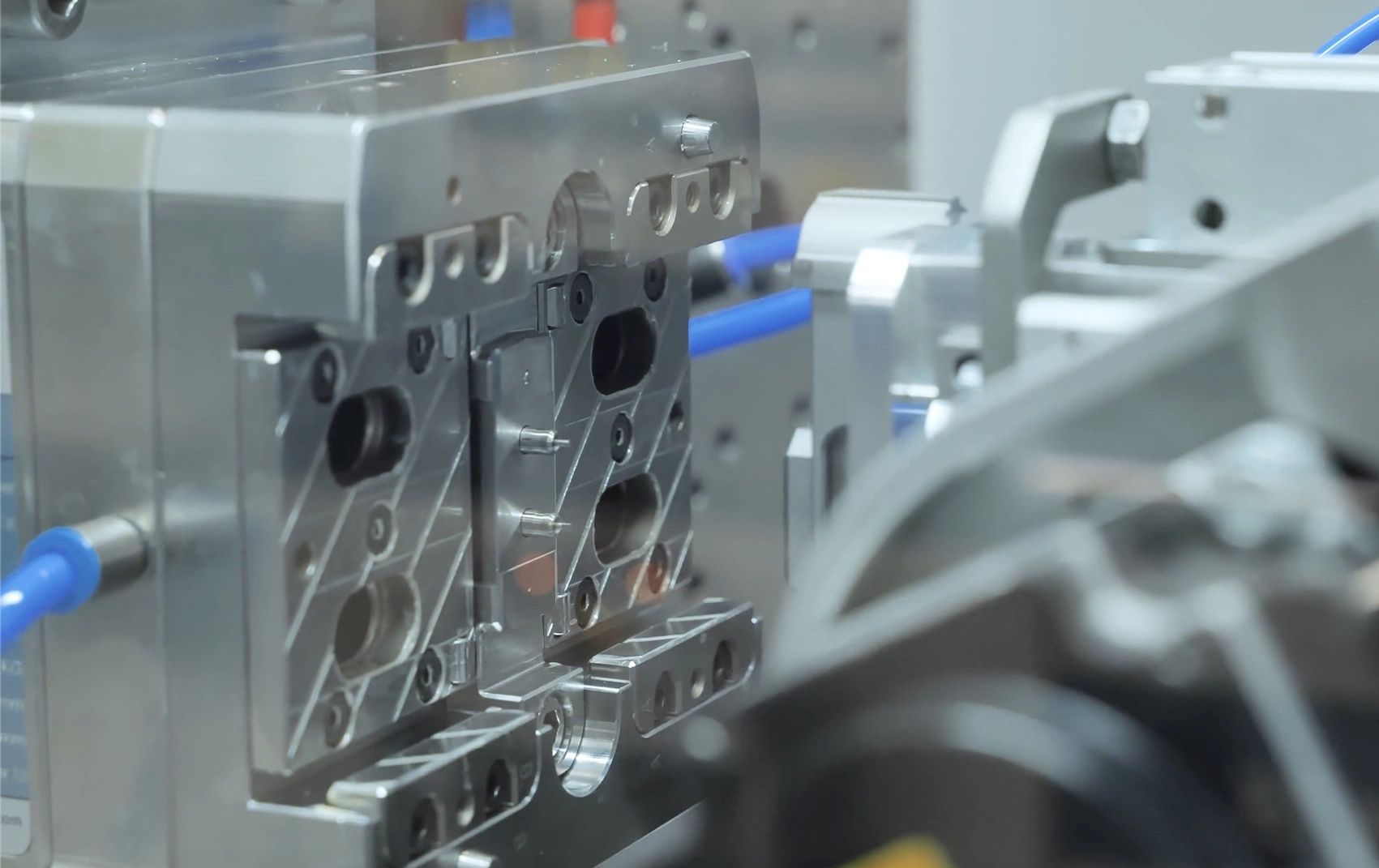
The tech allows making complex parts that are hard or impossible with old methods. This covers items with detailed inner builds, thin walls, and tiny details. Ways like insert and overmolding mix metals or electronics without issues. This opens more design choices for parts that do many things in small gadgets. Beyond these main gains, micro-injection molding speeds up market entry. It uses built-in design-for-manufacturing (DFM) checks. Simulations spot improvements early. This cuts repeats and tool costs. It gives clear returns for makers who add micro-scale skills. As tools improve, these benefits grow. They make micro-injection a smart choice in tough markets.
Applications of Micro-Injection Molding
The flexibility of micro-injection molding covers many areas. Its accuracy opens new paths for product growth and better performance.
1. Medical Devices
The medical field gains the most from micro-injection molding. The tech makes many medical parts. These include surgical tools, catheters, implants, and drug delivery items. The exactness and safe materials make micro-molding ideal for important medical uses. For example, micro-molded cases for sensors in less-invasive tools ensure steady work in clean spaces. They follow rules for tracking and purity.
2. Electronics
In electronics, micro-injection molding builds small, high-exact parts like connectors, sensors, and micro-switches. The skill to make tiny, detailed items with steady repeats is vital for shrinking electronic gadgets. These parts often use conductive polymers or link with PCBs. This allows thinner builds in smartphones, wearables, and IoT devices. Heat control and signal strength matter here.
3. Automotive
As cars get smarter and smaller, the want for light, tiny parts grows. Micro-injection molding makes exact items for car electronics, sensors, and connectors. This adds to better efficiency and work in new vehicles. Light micro-molded clips and cases cut vehicle weight. This improves fuel use. Strong materials handle tough under-hood spots. They support moves to electric and self-driving systems.
4. Consumer Goods
The tech also helps make small, detailed parts for consumer items. Think of hearing aids to fancy watches. The ability to create nice-looking and exact-working parts makes micro-molding useful in consumer goods. Custom finishes, like rough grips or clear lenses, improve user feel. Green resins fit rising calls for earth-friendly packaging and add-ons. These uses show how micro-injection molding links design plans with making ease. It drives new ideas in different fields. From better patient results in healthcare to strong next-gen travel, its part in making small, dependable systems is clear.
Challenges and Future Directions
While micro-injection molding gives many gains, it also brings some hurdles. The need for special tools and knowledge can lead to higher start costs than regular molding ways. Also, keeping steady quality and exactness at such small sizes needs careful control over all making steps.
However, new progress in materials, mold plans, and machine tech keep bettering the skills and cost of micro-injection molding. As the want for smaller parts rises, the field will likely see more new ideas and wide use of this tech.
FAQ
What is the primary difference between micro-injection molding and traditional injection molding?
Micro-injection molding focuses on parts smaller than 1 gram with features down to micrometers. It uses special machinery for closer tolerances. Traditional methods deal with bigger items with wider specs.
Which industries benefit most from micro-injection molding?
Key fields include medical devices for implants and catheters, electronics for sensors and connectors, automotive for lightweight sensors, and consumer goods for detailed accessories like hearing aid parts.
What materials are commonly used in micro-injection molding?
Thermoplastics such as ABS, PEEK, polypropylene, and bioresorbable polymers are common. They are picked for flow traits, safe contact, and strength in high-exact uses.
How does micro-injection molding improve material efficiency?
It cuts waste with exact shot control and less flash. This achieves up to 30% less scrap. It is key for costly resins in medical and electronics making.
What are the main challenges in scaling micro-injection molding production?
Hurdles include high start tool costs, need for skilled know-how, and strict quality checks to keep tolerances at micro-scales. But progress in automation is easing these problems.
Silkbridge: Precision Plastic Injection Molding Manufacturers and Suppliers
As a top plastic injection molding manufacturer and supplier, Silkbridge gives full solutions made for B2B partners who want high-volume, micro-exact parts. With over 30 million parts made each year using advanced CNC and EDM setups in Guangdong, China, Silkbridge mixes British design ideas with fast Chinese making. They deliver tolerances as tight as ±0.01 mm. From mold design and early models to full joining and DDP shipping, the factory helps OEMs in medical, electronics, automotive, and consumer areas with complete services. These include PCBA integration and quality checks. Contact Silkbridge now at contact@silkbridgeltd.com or +86 18122838771 for a free talk and quote to boost making skills.