

The creation of medical parts requires a strong focus on safety, exactness, and correctness. Medical injection molding stands out as a key method. It delivers great accuracy, steady quality, and low costs. This technique follows strict cleanliness rules and allows repeated results. It solves usual production problems well. The next sections explore the details of medical injection molding technology.
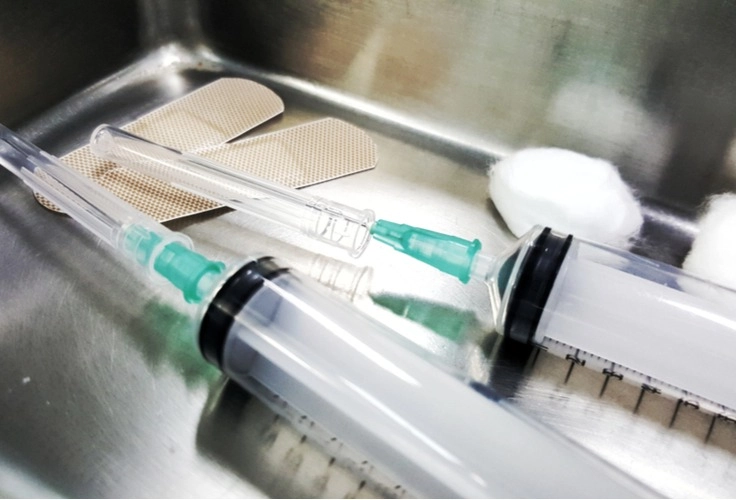
What’s Medical Injection Molding?
Medical injection molding means making plastic pieces for medical tools with special machines. This way helps build parts that stay the same and exact. These range from tiny details in big surgical tools to full devices on their own.
In healthcare, following tough rules is a must. Certificates like FDA approval for U.S. imports, ISO 13485:2016 for quality control, and ISO 10993 for biocompatibility show the need for proper making. Medical injection molding melts shaped plastics. Then, it pushes them into molds to reach these high levels.
Parts made by medical injection molding must work perfectly. This builds trust for patients and doctors. Making all pieces at once improves matching. It allows exact planning and on-time shipping.
The Injection Molding Process
The injection molding process keeps a clear and steady setup. The steps happen like this:
Step 1) Material Loading
Medical-grade plastic pellets or granules go into the machine. People pick these for their safe contact with bodies and fit in healthcare uses.
Step 2) Melting
The pellets get hot inside the medical injection molding machine. They turn into a thick liquid ready for forming.
Step 3) Injection
The melted plastic gets pushed hard into the mold space. The space matches the wanted part shape.
Step 4) Cooling
The pushed material cools and hardens in the space. It takes the exact mold shape.
Step 5) Ejection
The mold opens, and the hard part comes out. Checks or extra steps follow if needed.
Why is Precision and Repetition Key?
Medical injection molding does well in meeting needs for exactness and large amounts. It makes thousands of same parts with steady quality. This fits strict rule standards and use needs. In healthcare, where cleanliness can’t drop, making happens in controlled clean rooms. This lowers contamination chances. The method brings dependability for important uses.
Techniques Used in Medical Injection Molding
Medical tools need special pieces to boost how they work. Different injection molding ways add strength, bend, or fine details to these parts.
Insert Molding
Insert molding puts a ready insert, like a metal piece, into the mold space before plastic push. The melted plastic covers the insert when it hardens. It forms a joined metal-plastic unit. This way is common in strong medical tools, like surgical items with metal ends.
Overmolding
Overmolding means adding a second layer over a base part. A hard core forms first. Then, a softer plastic layer goes on. This improves touch feel and ease of use. It often shows in handles and grips for medical tools to better control and comfort.
Micro Injection Molding
Micro injection molding creates small, very detailed parts with exact molds and tools. It is vital for tiny devices like hearing aids and microfluidic chips. There, accuracy at micron levels matters most.
Thin-Wall Molding
This way makes parts with walls under 1mm thick. It saves material and cuts weight. Uses include needle hubs, caps, plungers, and catheter housings. It balances cost, use, and patient ease.
Gas-Assisted Molding
Pressed inert gas enters the mold space. It pushes melted plastic to make hollow areas. It works in medical device housings, surgical handles, grips, crutch parts, and research items.
Liquid Silicone Rubber (LSR) Molding
LSR molding uses bendy silicone mixes for hard, stretchy shapes. Known for lasting strength and body safety, it fits seals, tubing, and membranes in tools that need safe bend without break.
These ways, as used by skilled manufacturers like Silkbridge, allow custom fits for various medical needs.
Applications of Injection Molding in Medical Devices
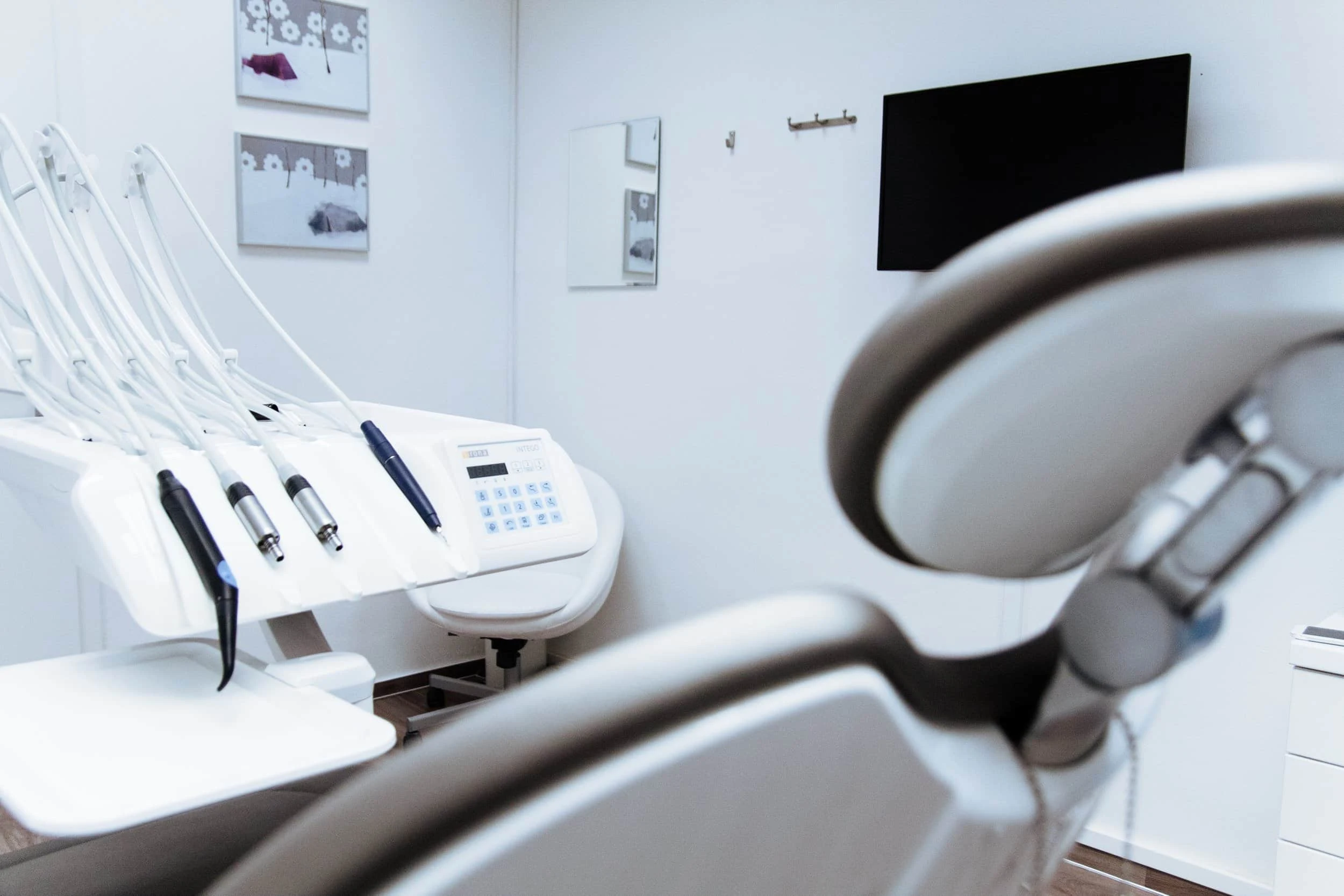
Medical plastic molding has spread through healthcare because of its exactness and trust. Main uses include:
Surgical Tools: Injection molding shapes handles and fine parts for tools that handle repeated cleaning while keeping structure.
Parts of Medical Devices: Light yet tough items like connectors, valves, and housings have complex shapes key for device work.
Medical Product Packaging: Caps, seals, and containers guard items from dirt and damage in storage and moving.
Diagnostic Apparatus: Parts for blood analyzers, test kits, and imaging systems need high exactness for correct results.
Mass Production: The process aids quick, large output of exact parts. It smooths supply lines.
Silkbridge’s skills in medical-grade injection parts making match these uses perfectly. It serves fields from diagnostics to surgical advances.
Key Materials Used in Medical Injection Molding
Picking materials in medical injection molding is as important as the steps. Safe-for-body, tough choices ensure rule fit and good work. Common ones are:
Polypropylene (PP)
Polycarbonate (PC)
Polyethylene (PE)
Thermoplastic Elastomers (TPE)
Polyetheretherketone (PEEK)
Acrylonitrile Butadiene Styrene (ABS)
Liquid Silicone Rubber (LSR)
Medical-Grade Resins
Silkbridge keeps a large stock of these materials. It helps best picks for work and cleaning needs.
Benefits of Injection Molding for Medical Devices
Injection molding uses modern auto systems to meet strict medical device making needs. It balances cost, speed, and trust in uses from one-use syringes to complex tools.
Immediate Accuracy
The process gives parts with close limits. It ensures smooth fit and low chance of failure in groups.
Quality That Doesn’t Change
Repeated steps promise same results across groups. This boosts device trust and patient safety.
Cost Efficiency for Mass Production
First tool costs lead to low each-unit prices in big amounts. It improves budgets for growing medical parts.
Scope of Materials
Fit with many medical-grade plastics allows changes for strength, bend, or clear view.
Fast Production Time
Smooth steps speed up output. This is key for quick healthcare needs.
Ability to Mold Complex Parts
Fine features, tiny details, and housings copy exactly.
Cleanroom Compatibility
Making in clean spaces stops dirt.
Lightweight but Durable Results
Parts cut device weight but keep strength. This aids moving in care places.
Silkbridge’s 100 injection molding machines (180-1200 tons) show these gains. They make over 30 million parts each year with ISO 9001 certification.
Challenges and Considerations
Though helpful, medical injection molding brings issues that need smart fixes.
Regulatory Compliance: Following FDA, ISO 13485, and similar world rules covers materials, steps, and products.
Material Selection: Picks must focus on body safety, no poison, and cleaning strength.
Cleanroom Requirements: Clean places need big spending on care and checks.
High Upfront Tooling Costs: Mold making costs hurt small runs. But big amounts spread costs.
Quality Assurance: Strict checks are needed to stop flaws that could cause recalls.
Supply Chain Reliability: Steady material getting stops delays in making times.
Fixing these improves quality and rule fit in medical molding.
Cleanroom Standards and Sterilization Methods
Cleanrooms manage dirt in medical part making. They classify by air clean levels (e.g., ISO Class 7 or 8). With HEPA filters and rules, they keep no germs.
After-molding cleaning uses:
Ethylene Oxide (EtO): Low-heat gas for items that can’t take heat.
Gamma Radiation: Strong rays for wide kill power.
Steam (Autoclave): Heat and push for tough plastics.
These steps match world safety rules. They protect patient results. Silkbridge’s controlled spaces keep these levels.
FAQ
What is medical injection molding?
Medical injection molding is a making process. It creates exact plastic parts for healthcare tools. It uses melted polymers pushed into molds. This ensures body safety and rule following.
What materials are commonly used in medical injection molding?
Common materials include polypropylene (PP), polycarbonate (PC), polyethylene (PE), thermoplastic elastomers (TPE), PEEK, ABS, and liquid silicone rubber (LSR). People choose them for lasting, bend, and safety.
What are the main benefits of injection molding for medical devices?
Benefits include high exactness, steady quality, low cost in big making, material choices, quick finish, complex part making, cleanroom fit, and light but tough results.
What challenges exist in medical injection molding?
Challenges cover rule following, material picks, cleanroom costs, high tool expenses, quality checks, and supply chain steadiness.
How does Silkbridge support medical injection molding projects?
Silkbridge offers certified making, material knowledge, growing output, and a smooth system for design-to-ship flows.
Partner with Silkbridge – Your Trusted Medical Injection Molding Manufacturer for Precision Components
As a top medical injection molding manufacturer, supplier, and factory, Silkbridge Ltd asks OEMs and suppliers to use British design skills mixed with fast Chinese making. Started in 2014 in Guangdong Province, China, Silkbridge gives full solutions—from idea design and testing to big molding and joining—for medical tools. With over 100 modern injection machines, ISO 9001/13485 certifications, and yearly output over 30 million parts, Silkbridge ensures exactness, rule fit, and growth.
Contact Silkbridge now via WhatsApp (+86 18122838771) or email (contact@silkbridgeltd.com) to ask for a quote, talk DFM checks, or look at custom medical-grade parts. Work with Silkbridge to speed healthcare new ideas while cutting costs and risks. Visit www.silkbridgeltd.com to upload designs and begin your project today.